Operating an industrial facility or a commercial kitchen with high-grease exhaust systems is essential for daily function, but these systems are constantly working in a challenging, sticky environment. Grease buildup, lint, and particulates are the silent enemies of efficiency, posing risks that range from reduced airflow to catastrophic fire hazards. Many facility managers treat maintenance as a mere cost of doing business, viewing it as a necessary evil. However, neglecting this crucial area is like leaving the car running on fumes—eventually, something is going to sputter, stall, and cost significantly more to fix. This comprehensive guide will walk you through why professional maintenance for high-grease exhaust systems is the single most critical investment you can make in your facility's safety, efficiency, and longevity.
The Hidden Dangers of Neglected Exhaust Systems
A high-grease exhaust system is far more complex than just a duct running from a fryer to the roof. It involves a network of hoods, ducts, filters, and collection units, all interacting with highly combustible materials. When grease buildup occurs, it doesn't just look bad; it fundamentally changes the operational risk profile of your entire building. Understanding these hidden dangers is the first step toward prevention.
The Fire Risk: A Sticky Situation
The most immediate and terrifying risk associated with grease buildup is fire. Grease is an accelerant, and when it collects on ductwork, filters, and hood components, it creates a perfect fuel source.
- Reduced Heat Dissipation: Thick layers of grease act as insulation, trapping heat and allowing localized hotspots to develop within the system. Delayed Detection: The buildup can also obscure vital safety mechanisms, making fire detection and early intervention much harder. The Catastrophic Potential: A grease fire doesn't just burn the duct; it can spread rapidly, jeopardizing the entire structure and leading to massive downtime and liability.
Operational Efficiency Loss
Beyond the obvious fire hazard, a dirty system is an inefficient system. It's a classic case of "sweating the small stuff" until the small stuff becomes a huge problem.
When the ducts become clogged, the system has to work harder. This increased resistance forces equipment to run at higher RPMs and draw more power. Over time, this translates directly into:
- Increased Utility Costs: Your electricity bill starts to climb simply because the system is struggling to move air. Equipment Strain: Motors and fans operate under stress, leading to premature failure and expensive emergency replacements. Poor Air Quality: If the system can't pull the required volume of air, the air quality inside the facility suffers, impacting employee health and comfort.
Understanding the Scope of Professional Maintenance
So, what exactly does "professional maintenance for high-grease exhaust systems" entail? It’s not just about a quick spray-down and a shine; it’s a comprehensive, systematic overhaul that addresses every component of the system. Think of it less like cleaning and more like preventative medicine for your facility's circulatory system.
Deep Cleaning vs. Standard Cleaning
A general cleaning service might skim the surface, removing the visible sludge. A professional maintenance team, however, employs specialized industrial equipment and techniques designed to penetrate deep into the system. They are looking for the root causes of the problem, not just the symptoms.
This deep cleaning process includes:
- Chemical Degreasing: Utilizing industrial-strength, non-corrosive degreasers that break down polymerized fats and sticky residues. Mechanical Removal: Employing specialized vacuum systems and scraping tools to physically remove hardened buildup from ductwork and hood surfaces. Component Inspection: Thoroughly inspecting fans, motors, and connections for wear, structural integrity issues, and potential leaks—areas often overlooked.
Beyond the Shine: Compliance and Safety
One of the most valuable, yet often forgotten, aspects of professional maintenance is compliance. Local fire codes and health regulations mandate specific maintenance schedules and protocols.
Ignoring these standards is like playing Russian roulette with your insurance policy. A single inspection failure, or worse, a fire, can lead to massive fines, mandated shutdowns, and significant legal liability. A professional service provider ensures that your pressure hose cleaning Sydney system meets current OSHA and local fire marshal guidelines, providing you with the peace of mind that your operations are legally compliant and safe.

The Mechanics of a Perfect Exhaust System
To truly appreciate the value of professional maintenance, it helps to understand how these systems are supposed to function. A properly maintained system should operate like a finely tuned orchestra, where every instrument (or component) plays its part harmoniously.
Key Components Requiring Attention
Every part of the system has a unique function and, consequently, a unique risk profile:
- Grease Filters: These are the frontline defense. They must be cleaned or replaced frequently. If they are overloaded, they become a fire risk and restrict airflow. Ductwork: The largest component. It needs periodic internal washing to prevent the buildup of layers of carbonized grease and particulates. Hoods and Collection Areas: These areas accumulate the most visible buildup. Professional teams ensure the structural integrity and proper drainage of these areas. Make-up Air Units: These units, which balance the air leaving the system, must also be inspected, as their failure can destabilize the entire HVAC operation.
If you are unsure about the state of your system, consider this: "A proactive inspection is cheaper than a reactive fire department bill."
Making Your Selection Count: Choosing the Right Partner
Selecting a maintenance provider is not a decision to be made hastily. You need a partner, not just a service. When vetting potential vendors, look for deep expertise, not just a low price.
Questions to Ask Potential Vendors
To ensure you are hiring the best team for professional maintenance for high-grease exhaust systems, ask these critical questions:

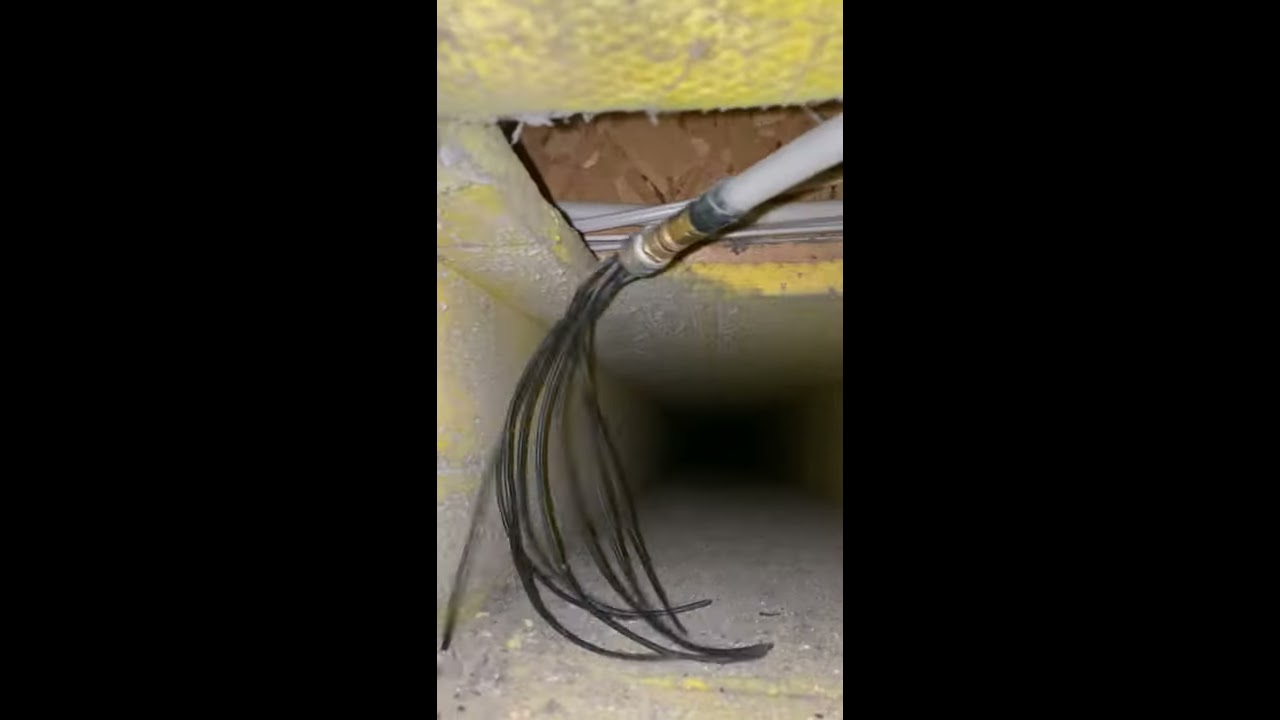
- Do you provide comprehensive pre-service inspections to identify structural weaknesses or code violations? What specific degreasing chemicals do you use, and are they safe for the materials in my facility? Can you provide detailed documentation and reports showing the scope of work, the chemicals used, and the compliance status afterward? What is your emergency response protocol in case of system failure or urgent maintenance needs?
The best partners don't just clean; they educate you. They should explain why certain issues are occurring and advise you on necessary structural improvements, acting as true safety consultants.
The lifecycle of an exhaust system is a continuous cycle of use, buildup, and maintenance. By viewing professional maintenance not as an expense, but as a non-negotiable insurance policy for your operational continuity, you are safeguarding your business from catastrophic failure. Investing in thorough, professional maintenance for high-grease exhaust systems ensures peak performance, maintains compliance, and, most importantly, keeps your operations running safely and smoothly for years to come. Don't wait for the smoke alarm to scream—schedule your professional inspection today.
HygieneXperts - Commercial & Residential Cleaning Services
61498203983
+61498203983